Warm floors underfoot on a cold Yorkshire morning are a genuinely lovely thing, and underfloor heating is not the luxury-only option it used to be.
If you are weighing it up for a home in Wakefield or anywhere across South Yorkshire, the honest starting point is this: there are two very different types, they cost and run very differently, and the right choice depends far more on your rooms and your floors than on any headline price. Here is how it all fits together.
I'm Danny, one of the two founders of Eco Heat Surge. We design and fit heating systems across South Yorkshire, underfloor heating included, and this is the plain-English version of the conversation I have with customers weighing it up.
The two types of underfloor heating
Almost every system falls into one of two camps, and getting this bit right shapes everything else.
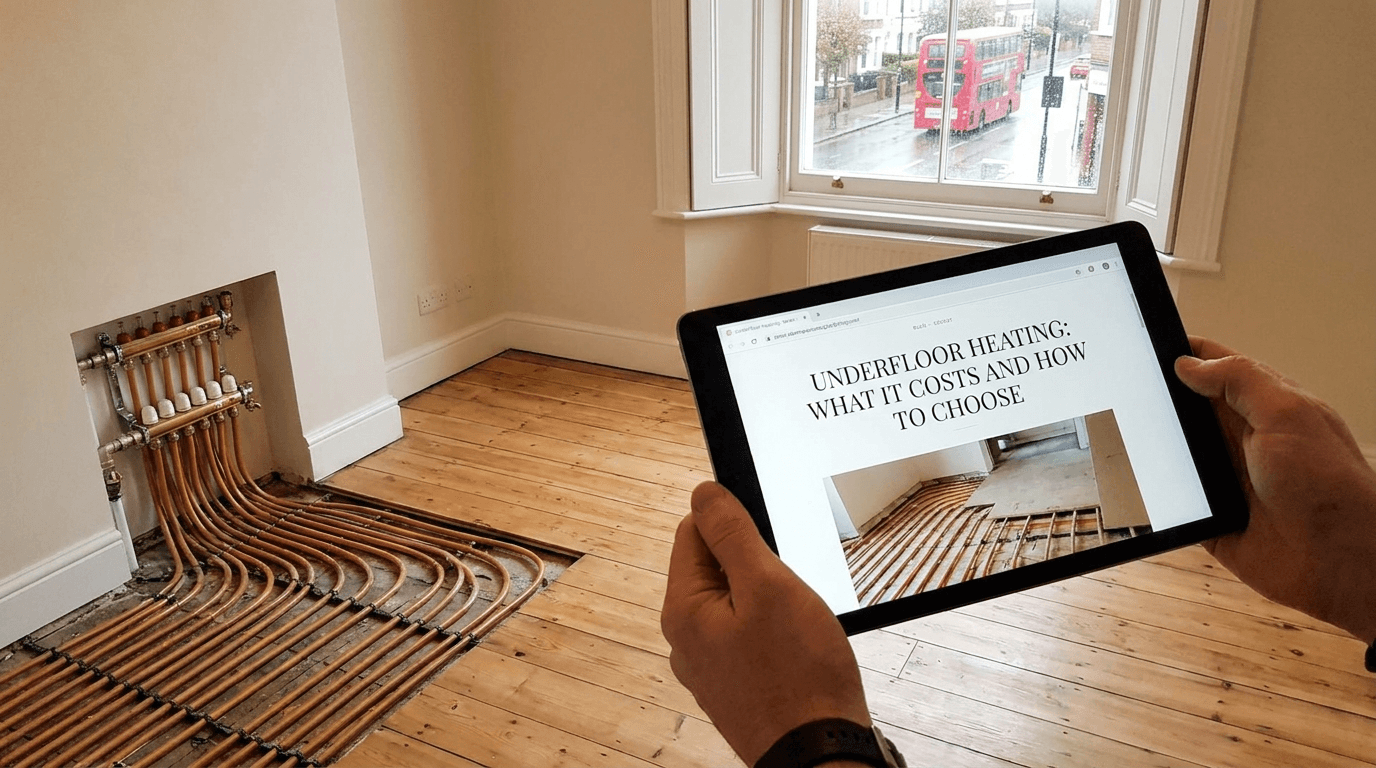
Wet (water) underfloor heating runs warm water through a network of pipes laid under your floor, fed by your boiler or, increasingly, a heat pump. It is the option for larger areas and whole-home heating.
It costs more to put in, especially in an existing house, but it is cheaper to run and it works beautifully as a home's main heat source.
Electric (dry) underfloor heating uses a thin heating mat or cable under the floor finish, wired into your electrics. It is quicker and cheaper to install, which makes it a popular choice for a single room like a bathroom or an en-suite.
The trade-off is that it runs on standard-rate electricity, so it is more expensive to use for anything beyond warming a small space or giving short bursts of heat.
What underfloor heating costs, and what drives it
There is no single price for underfloor heating, because the job varies so much from home to home. Rather than quote a misleading figure, it is more useful to understand what actually moves the cost.
| Factor | Effect on cost |
|---|---|
| Type of system | Electric is cheaper to install; wet costs more but runs cheaper |
| Floor area | Larger areas favour a wet system on cost per room heated |
| New build or retrofit | Fitting into an existing floor is more involved than building it into a new one |
| Floor build-up | Low-profile systems for retrofits, and any screed work, affect the price |
| Floor covering | Tile and stone suit it best; thick carpet and underlay work against it |
Because of all that, we do not price underfloor heating off a page. We survey the space, work out the heat loss room by room, and give you a written quote for your actual home. That way the number you see is the number for your job, not an average that means nothing.
Running costs: the part people forget
Install cost is only half the story, and it is where the two types swap places.
Electric underfloor heating is cheap to fit but, because it draws standard-rate electricity, it is the dearer of the two to run over time. That is fine for a bathroom you want warm for an hour a day, less so for a living space.
Wet underfloor heating is the opposite. For larger areas it usually costs less to run, because it draws its heat from a more efficient source like a gas boiler or a heat pump. The Energy Saving Trust has a helpful overview of the running costs of underfloor heating if you want to dig into the detail.
Underfloor heating and heat pumps: a natural match
This is where wet underfloor heating really earns its place. It works at a lower flow temperature than radiators, spreading gentle warmth across a whole floor rather than relying on a few hot panels.
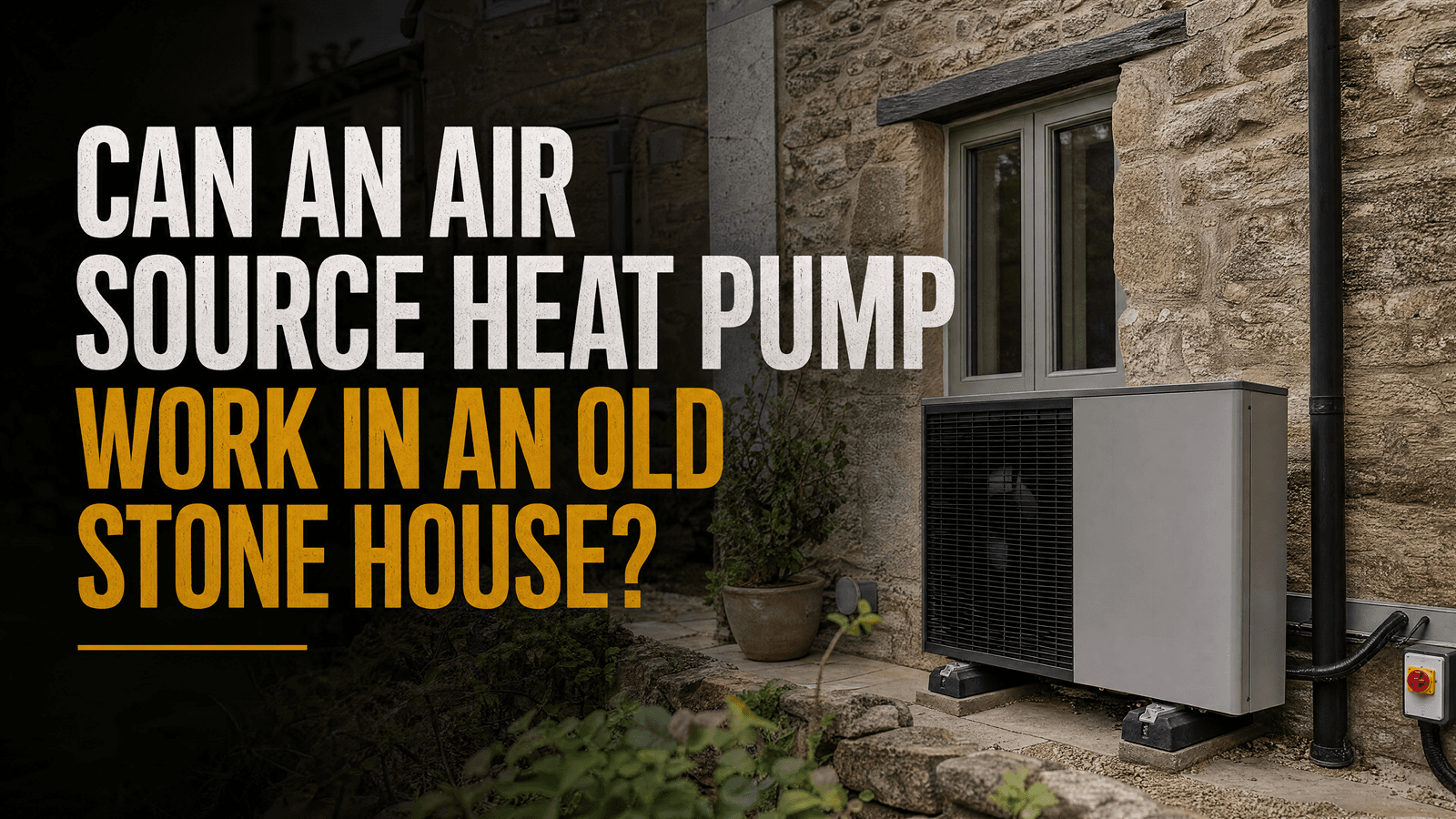
That low flow temperature is exactly what a heat pump wants. Pair a wet underfloor system with an air source heat pump and the heat pump runs more efficiently than a traditional boiler pushing hot water through old radiators.
If you are already thinking about renewable heating, the two go hand in hand, and a heat pump can qualify for the government's £7,500 Boiler Upgrade Scheme grant.
Our guide on whether a heat pump is worth it in South Yorkshire covers that side in full, and you can see our air source heat pump service for how we approach it.
New build or retrofit? It changes everything
If you are building an extension or a new home, wet underfloor heating is at its easiest and cheapest, because the pipes and screed go in as part of the floor from the start. It is the natural time to do it.
Retrofitting into an existing house is very doable, but it needs more thought. Raising the floor level even slightly can affect door heights and thresholds, which is why low-profile systems exist for exactly this situation.
This is the sort of detail a proper survey sorts out before any work begins, so there are no surprises halfway through.
Which floor coverings work best
The floor on top of the system matters more than most people expect, because it decides how well the heat actually reaches the room.
Tile and stone are the ideal partners. They conduct heat brilliantly and hold onto it, which is part of why underfloor heating and a tiled bathroom go so naturally together. Engineered wood, vinyl and laminate all work well too, within the temperature limits the manufacturer sets.
The one combination to be careful with is thick carpet and a heavy underlay, which act as insulation and can hold the warmth back before it ever reaches your feet.
If you have your heart set on carpet, keep the tog rating low and mention it at the survey so the system can be designed around it.
Living with underfloor heating day to day
Underfloor heating behaves differently from radiators, and it pays to know that going in. Instead of blasting a room warm in minutes, it delivers a gentle, even heat that rises evenly from the whole floor.
It is slower to warm up and slower to cool down, which means it rewards being left to run on a steady schedule rather than being flicked on and off.
That steadiness is a big part of the comfort. There are no hot and cold spots, no bulky radiators to work furniture around, and with room-by-room zoning you can keep the spaces you use warm without heating the ones you do not.
Can you mix underfloor heating and radiators?
Yes, and it is one of the most common setups we fit. A lot of homes run wet underfloor heating downstairs, where the open floor space suits it, and keep radiators upstairs in the bedrooms.
Both run from the same boiler or heat pump, with controls that let each part do its job at the right temperature. You do not have to commit the whole house to underfloor heating to enjoy it where it makes the most difference.
Is underfloor heating worth it for your home?
It is not automatically the right answer for every room, and I would rather be straight with you than sell you something you do not need.
Underfloor heating makes a lot of sense in bathrooms and en-suites, in open-plan kitchens and living spaces, in extensions, and across a whole new-build or heat-pump-heated home.
Where a home already has decent radiators and no plans for a bigger heating change, adding underfloor heating to a single existing room can be a bigger job than the comfort gain justifies. The honest answer comes from looking at your specific rooms, floors and heating plans as a whole, rather than one room in isolation.
Getting underfloor heating in South Yorkshire
If underfloor heating is on your mind, the sensible first step is a survey, not a guessed price. We will look at your floors, your rooms and your existing heating, calculate the heat loss properly, and give you a written quote for the real job.
We fit underfloor heating for homes across Wakefield and the wider South Yorkshire area, whether it is a single warm bathroom floor or a whole-home system paired with a heat pump.
To get started, take a look at our central heating and system design service, see more about the area we cover around Wakefield, or get in touch for a free survey and quote.
Frequently asked questions
How much does underfloor heating cost?
There is no single price, because it depends on the type, the floor area, and whether it is a new build or a retrofit. Electric systems are cheaper to install but dearer to run, while wet systems cost more upfront and less over time. We survey the space and give a written quote for your actual home.
Is wet or electric underfloor heating better?
Neither is simply better; they suit different jobs. Electric is ideal for a single room like a bathroom, where it is quick to fit and only used in short bursts. Wet is the choice for larger areas and whole-home heating, since it runs more cheaply from a boiler or heat pump.
Does underfloor heating work with a heat pump?
Yes, and wet underfloor heating is one of the best partners for a heat pump. It runs at a low flow temperature, which is exactly what lets a heat pump work efficiently. Pairing the two is often more efficient than a gas boiler pushing hot water through older radiators.
Can you fit underfloor heating in an existing house?
Yes. Retrofitting is very doable, though it needs more planning than a new build because adding a floor layer can affect door heights and thresholds. Low-profile systems are made for exactly this. A survey works out the right approach for your floors before any work starts.
Is underfloor heating expensive to run?
It depends on the type. Electric underfloor heating uses standard-rate electricity, so it is best for small areas used briefly. Wet underfloor heating usually costs less to run across larger spaces, especially when fed by an efficient heat pump. Good insulation and a well-designed system make a big difference either way.
Can I have underfloor heating downstairs and radiators upstairs?
Yes, and it is a very common setup. Many homes run wet underfloor heating on the ground floor, where the open space suits it, and keep radiators in the bedrooms upstairs. Both work from the same boiler or heat pump, with controls that let each part run at the right temperature.
Get more like this
One honest email a month.
Boiler tips, heat pump advice, and answers to the questions our customers actually ask.
Heating not quite right?