If you have been weighing up an air source heat pump, you have probably noticed the advice splits into two camps: the people who promise it will transform your bills, and the people who call it a cold, costly mistake. After fitting them across South Yorkshire for a few years now, I can tell you the truth sits in neither camp.
The honest answer is that a heat pump is well worth it in some homes here and a poor choice in others.
Get the property right, with reasonable insulation, somewhere outside for the unit and room for a hot water cylinder, and a heat pump is efficient, comfortable and a sensible long-term bet, especially with a £7,500 government grant on offer.
Put one in the wrong house and you will be left disappointed. This guide is about working out which of those yours is.
I am Adam, lead engineer at Eco Heat Surge, and I handle most of our heat pump work. I have surveyed a lot of South Yorkshire homes for one, and turned a fair number down, so what follows is the practical version rather than the brochure.
How a heat pump actually heats your home
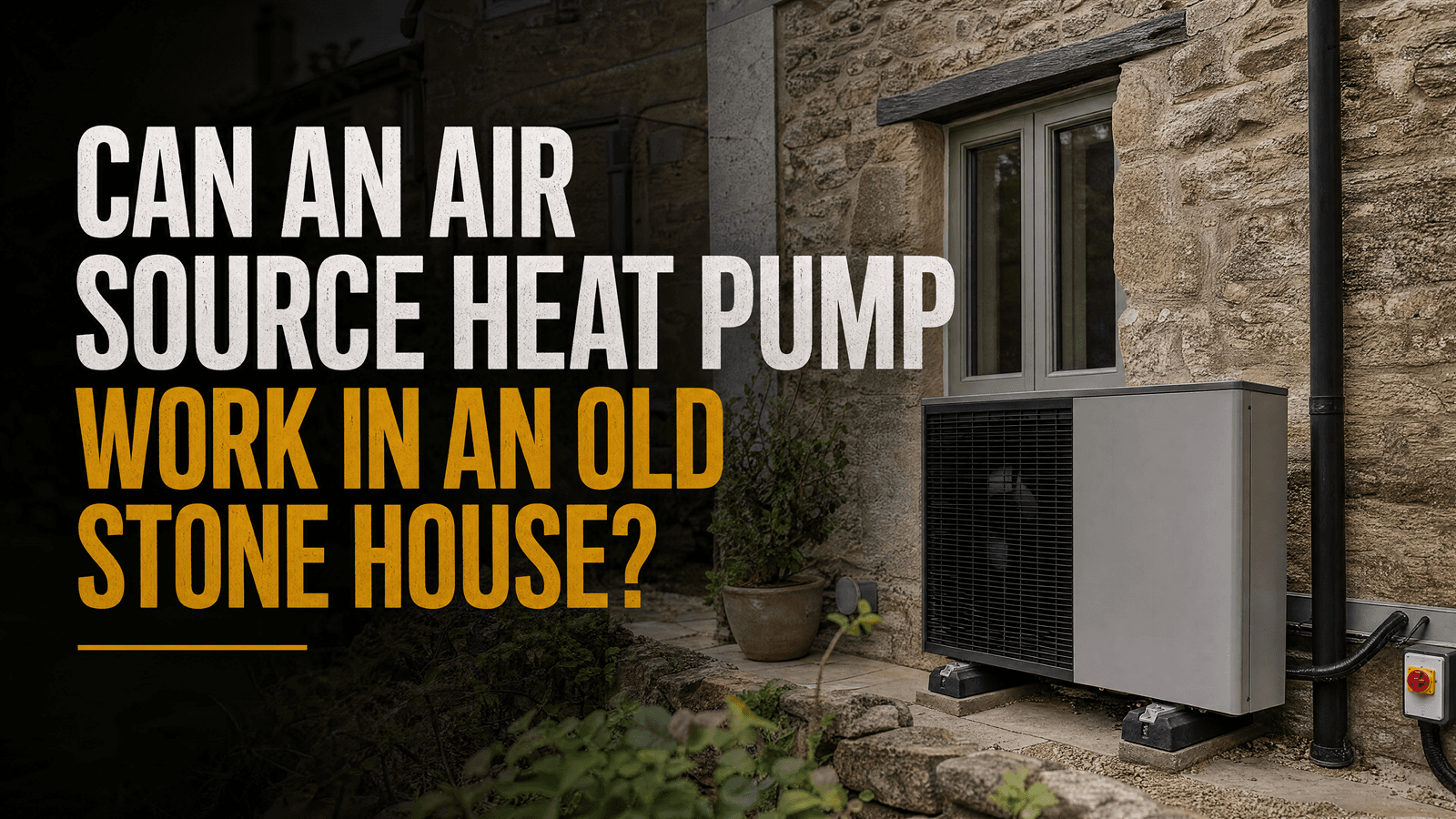
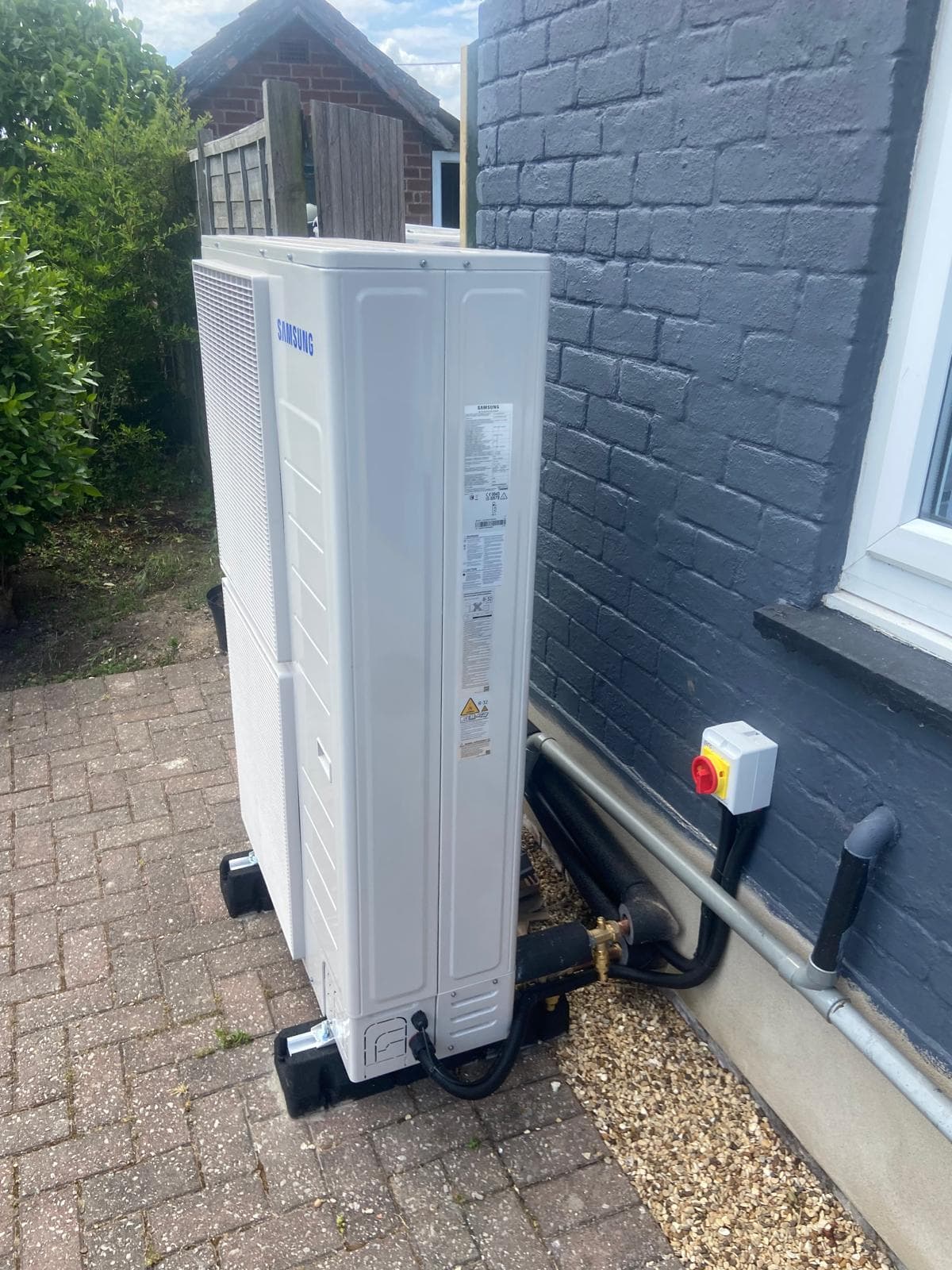
Before the worth-it question, it helps to know what you are buying. An air source heat pump burns nothing. It runs a refrigerant cycle that draws warmth out of the outside air, even on a cold day, and concentrates it to heat your radiators and your hot water.
A fan unit sits outside, about the size of a large air-conditioning box, and the clever bit is the efficiency. For every unit of electricity it uses, a well-set-up heat pump gives back somewhere between three and four units of heat.
A gas boiler, for comparison, returns a little under one unit of heat for each unit of gas it burns. On paper, that is an enormous gap.
So will it actually cut your bills?
This is where the brochures run ahead of themselves. That efficiency gap does not turn straight into a saving, because the two fuels are not priced alike.
Electricity currently costs roughly four times as much as gas for each unit of energy. Do the sums and, for a house on mains gas, a heat pump's running costs often land close to those of a modern condensing gas boiler rather than far below them.
That is not the full picture, though. A heat pump pulls clearly ahead when one of these is true:
- Your home is genuinely well insulated. The less heat your house loses, the lower the temperature the heat pump needs to run at, and the more efficient it becomes. Insulation is the single biggest factor in whether a heat pump saves you money.
- You are on a smart, time-of-use electricity tariff. Heating your water and your home during cheaper overnight hours can tip the maths firmly in your favour.
- You are off the gas grid, on oil or LPG. Those fuels are expensive enough that a heat pump usually beats them comfortably on running cost, not only on carbon.
If you are on mains gas in a draughty older property with no plans to insulate, be cautious of anyone promising big savings. In that case the money case is close to even, and the genuine reasons to switch are the ones below. The Energy Saving Trust has good independent guidance on this if you want to read further.
The reasons that are not about money
Plenty of the people we fit heat pumps for are not chasing a smaller bill at all. They switch because:
- The £7,500 grant is real, and may not last. The government's Boiler Upgrade Scheme currently takes £7,500 off an air source heat pump installation, paid through your installer. Subsidies like this tend to tighten over the years, so the support is at its most generous right now.
- Carbon. Run on a grid that keeps getting greener, a heat pump cuts your home's heating emissions sharply against burning gas.
- Stepping off the gas price rollercoaster. After a run of volatile winters, some homeowners simply want away from gas, and a heat pump on a sensible electricity tariff gives them that.
- Future-proofing. Gas heating is slowly being wound down in new housing, and a well-installed heat pump is increasingly an asset that buyers look for.
What the £7,500 grant covers, in short
The Boiler Upgrade Scheme is the government grant that helps households move from a gas, oil or LPG boiler to an air source heat pump, and in 2026 it is worth £7,500.
Your installer claims it for you, so you are not buried in forms. A few basics decide whether you qualify: you need to own the property, the heat pump has to be replacing a gas, oil or LPG system, and the home needs a valid Energy Performance Certificate with no outstanding insulation recommendations on it.
That EPC point catches people out, so it is worth checking yours before you get your hopes up. The official rules are on the gov.uk Boiler Upgrade Scheme page. Once the grant is applied, the net cost of a heat pump install often sits in similar territory to a premium gas boiler, which tends to surprise people who assume heat pumps are wildly dear.
Is your South Yorkshire home a good fit?
Across the older terraces of Barnsley, Rotherham and the Dearne Valley, and the newer estates around Sheffield and Doncaster, suitability varies street by street. The things we look at during a survey:
- Insulation you can build on. Loft insulation, decent glazing and cavity walls where the construction allows. You do not need a new-build standard, but a cold, solid-walled house usually needs insulating first to make a heat pump worthwhile.
- Somewhere outside for the unit. A clear spot at the side or rear with air able to move around it. Most homes have a position that works.
- Space for a hot water cylinder. Unlike a combi, a heat pump cannot produce hot water on demand, so a cylinder is needed, often where the old one stood, or in a loft or garage.
- A sound electricity supply. Most homes manage on the supply they already have. We check at the survey and arrange any upgrade if it is needed.
If your home ticks those boxes, a heat pump is well worth a serious look. If it does not, we will say so plainly rather than sell you one that lets you down. Sometimes the right advice is to insulate first, or to fit an efficient new boiler now and revisit a heat pump later.
That is a conversation we would far rather have at the survey than after the install. You can see how we go about heat pump work, including a proper heat-loss survey, on our air source heat pump page, and if a boiler turns out to be the wiser call for now, our boiler installation service is there as well. Either way, you can see the South Yorkshire areas we cover to check we reach you.
The honest verdict
So, is a heat pump worth it in South Yorkshire? If your home is reasonably insulated, has space for the kit, and especially if you are off mains gas or on a smart tariff, then yes, and the grant makes the timing hard to argue against.
If you are on mains gas in a poorly insulated house with no plans to change that, the running-cost case is thin today, and we would tell you so to your face. The technology itself is sound and proven. Whether it is right for you comes down to your particular house, not the headlines.
What I tell people before they decide
Do not judge a heat pump on a neighbour's experience or a headline figure, because the result is tied so tightly to the individual property.
Get a proper heat-loss survey, ask the installer to be straight about your insulation, and look at the whole picture: running cost, the grant, carbon, and how long you plan to stay.
A heat pump in the right home is a quietly brilliant bit of kit. In the wrong one it is an expensive lesson, and a good engineer will steer you away from that rather than towards a sale.
When you want a straight answer about your own home rather than a general one, the next step is a survey. We will measure your property's heat loss properly, tell you honestly whether a heat pump suits it, and give you a written quote. We'll also explain how the Boiler Upgrade Scheme could apply to your home. Book a free heat pump survey or get in touch, and we will give you the real picture before you commit to anything.
Frequently asked questions
Will a heat pump really lower my heating bills?
It can, but not always. In a well-insulated home, or one off the gas grid on oil or LPG, a heat pump usually undercuts the system it replaces. On mains gas in a draughty property, running costs tend to land close to a modern gas boiler, because electricity costs more per unit than gas even after the efficiency gain.
Do heat pumps work in a South Yorkshire winter?
Yes. Air source heat pumps are built to pull heat from cold air and keep working well below freezing, which covers a typical South Yorkshire winter comfortably. They run at a lower, steadier temperature than a gas boiler, so a well-sized system in a reasonably insulated home matters more than sheer output.
How much does a heat pump cost after the £7,500 grant?
It varies with the property, but once the Boiler Upgrade Scheme grant is applied, the net cost of a typical install often sits in similar territory to a premium gas boiler. The cylinder, any radiator changes and the pipework all affect the figure, so we quote it properly after a survey rather than over the phone.
Will I need new radiators for a heat pump?
Sometimes, not always. Because a heat pump runs at a lower flow temperature, a few radiators may need upsizing to give out the same heat. Many homes keep most of theirs. We check this at the survey and build any changes into the quote, so there are no surprises later.
How do I know if my home is suitable?
The main things that matter are reasonable insulation, an outdoor spot for the unit and room for a hot water cylinder. Plenty of South Yorkshire homes qualify, though some need insulating first. The only way to be sure is a proper heat-loss survey, which we carry out free and with no obligation.
Get more like this
One honest email a month.
Boiler tips, heat pump advice, and answers to the questions our customers actually ask.
Curious about a heat pump?