A boiler almost never dies out of nowhere. It drops hints for months first, and the people who get caught cold in January are usually the ones who talked themselves out of the warning signs in October.
The short answer is this: if your boiler is past 10 to 15 years old and you are seeing any of the signs below, especially rising bills or repeat repairs, it is time to start planning a replacement rather than waiting for it to fail on the coldest night of the year.
I am Danny, one of the engineers at Eco Heat Surge, and I spend a good part of every autumn telling South Yorkshire homeowners the same thing: your boiler has been trying to tell you something. Here is how to read it.
How long should a boiler last?
A modern condensing boiler that has been serviced each year will usually give you somewhere between 10 and 15 years of solid use. Look after it and the top end of that is realistic. Skip the servicing, run it hard, and you can be looking at a replacement sooner.
Age on its own is not a reason to rip a working boiler out. A well kept 12 year old boiler can soldier on. But age changes the odds, and once a unit is past a decade the signs below start to mean more, because the parts inside are simply wearing out.
The seven signs your boiler is on its way out
Rarely is it one dramatic thing. It is usually two or three of these creeping in together.
1. Your energy bills keep climbing. An older boiler loses efficiency as it ages. If your heating is costing noticeably more than it used to for the same warmth, some of that money is being wasted rather than heating your home.
2. It keeps needing repairs. One breakdown is bad luck. A second and third call-out in a couple of years is a pattern, and the bills for those repairs add up fast on a boiler that is near the end anyway.
3. Strange noises. Banging, gurgling, whistling or a kettle-like rumble usually means sludge build-up, worn parts, or a pump on its way out. A healthy boiler runs quietly in the background.
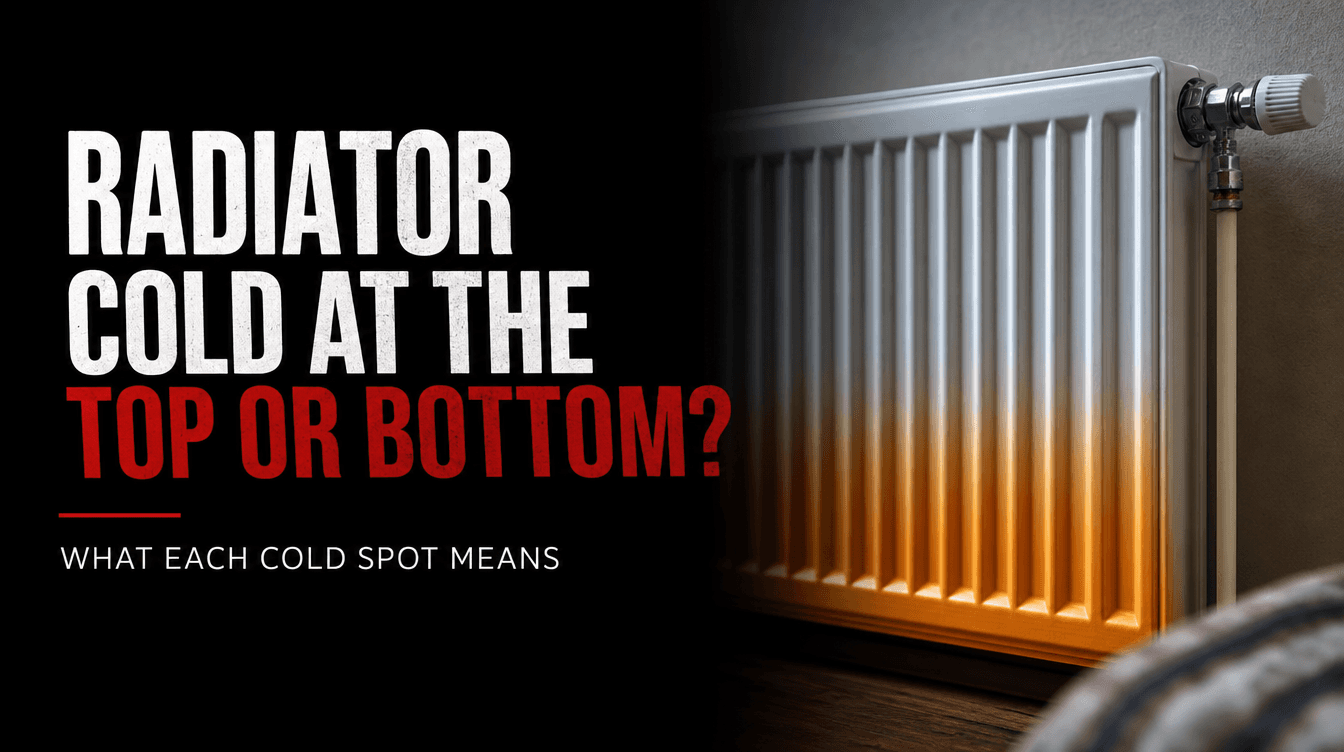
4. Radiators are slow or never get properly hot. If rooms take an age to warm, or some radiators stay cold at the bottom, the system is struggling. Sometimes that is a fixable flush; on an old boiler it is often a sign the unit can no longer do the job.
5. Leaks, drips or pressure that will not hold. A boiler that needs topping up every few days, or one with water pooling underneath, has a problem that tends to get worse, not better. Persistent leaks can damage the internal parts too.
6. Lukewarm or unpredictable hot water. Showers that run hot then cold, or water that never quite gets there, point to a boiler losing its grip on one of its main jobs.
7. It is over 10 to 15 years old. On its own, fine. Combined with any of the above, it tips the balance firmly towards replacing rather than repairing.
If a couple of these sound familiar, it is worth booking an annual boiler service first. A good service catches a lot of this early, and our guide to what we actually check on a service shows exactly what we look for.
The warning signs you must never ignore
Some symptoms are not about efficiency or age. They are about safety, and they need a Gas Safe registered engineer straight away.
The flame in a healthy gas boiler should burn a crisp blue. A lazy yellow or orange flame, black or sooty marks around the boiler, or heavy condensation on nearby windows can all point to incomplete combustion, which can produce carbon monoxide.
Carbon monoxide is a colourless, odourless gas, and the symptoms of poisoning, such as headaches, dizziness, nausea and unusual tiredness that eases when you leave the house, are easy to miss.
If you see any of these signs, or your carbon monoxide alarm sounds, switch the boiler off, open windows, and get everyone into fresh air. Then call a Gas Safe registered engineer and, if anyone feels unwell, seek medical help. You can read the official guidance on carbon monoxide poisoning from the NHS, and every registered engineer can be checked on the Gas Safe Register. This is one area where guessing is never worth it.
Repair or replace: how to decide
Not every ageing boiler needs replacing tomorrow. The honest test I use is a mix of age, cost and reliability. If the boiler still has a few years on the clock and only one sensible repair is needed, fixing it is usually the right call.
Once a boiler is well into its second decade and a repair is heading towards a third of the price of a new one, you are throwing good money at a unit that will likely ask for more soon. At that point a new boiler, with a fresh warranty and years of reliability ahead, is the better use of your money.
If you do decide to replace, the next choice is which type suits your home, and our guide on combi versus system boilers walks through that properly.
Why sorting it before winter pays off
The worst time to lose your boiler is the week everyone else loses theirs. When the first proper cold snap hits, engineers across South Yorkshire fill up with emergency call-outs, and a planned replacement in the calm of autumn becomes a scramble for whoever can fit you in.
Replacing a boiler you already suspect is failing, before it actually fails, means you choose the timing, you are not showering in a cold house while you wait, and you have time to pick the right boiler rather than the first one available. It is the difference between a decision and an emergency.
What a new boiler actually gives you
A new boiler is not just the end of the breakdowns. A modern, efficient unit turns more of your gas into heat, so the running costs are usually kinder than an old boiler limping along.
You get a manufacturer warranty behind you too, and because we install as approved Ideal and Alpha engineers, the right models can be registered for cover lasting up to a decade. And you get the quiet reassurance of heating that simply works when you ask it to, which counts for a lot in the middle of a Yorkshire winter.
What we would tell you
If your boiler is ticking several of these boxes, do not wait for it to make the decision for you in January. Get it looked at, get an honest opinion on whether it has another season in it, and plan from there. We will always tell you if a repair is the sensible option; we are not in the business of selling boilers to people who do not need them yet.
When you are ready, take a look at our boiler installation service, see our upfront pricing, or get in touch for a free, no-pressure quote. Better to have the conversation now than in the cold.
Frequently asked questions
How long does a boiler last?
A well maintained condensing boiler usually lasts 10 to 15 years. Annual servicing pushes it towards the top of that range, while a boiler that is rarely serviced or worked hard can wear out sooner. Age alone is not a reason to replace, but past a decade the odds of faults climb.
What are the signs I need a new boiler?
The common ones are rising energy bills, repeated breakdowns, strange banging or gurgling noises, radiators that are slow to heat, leaks or pressure that will not hold, and unreliable hot water. One sign on its own may be fixable; several together, on a boiler over ten years old, usually means replacement.
Is it cheaper to repair or replace my boiler?
It depends on age and cost. Under about eight years old, a single repair is usually worth it. Once a boiler is well into its second decade and a repair approaches a third of the price of a new one, replacing it is the better value, because an old unit tends to need further repairs soon after.
Can I wait until my boiler breaks down completely?
You can, but it is a gamble. Boilers most often fail in the depths of winter, exactly when engineers are busiest and you least want a cold house. Replacing a boiler you already suspect is failing, before it dies, lets you choose the timing and the boiler rather than take whatever is available in a rush.
What does a yellow boiler flame mean?
A healthy gas flame burns blue. A yellow or orange flame can signal incomplete combustion and the risk of carbon monoxide, which is dangerous. Turn the boiler off, ventilate the room, and call a Gas Safe registered engineer straight away. If anyone feels unwell, seek medical help without delay.
Get more like this
One honest email a month.
Boiler tips, heat pump advice, and answers to the questions our customers actually ask.